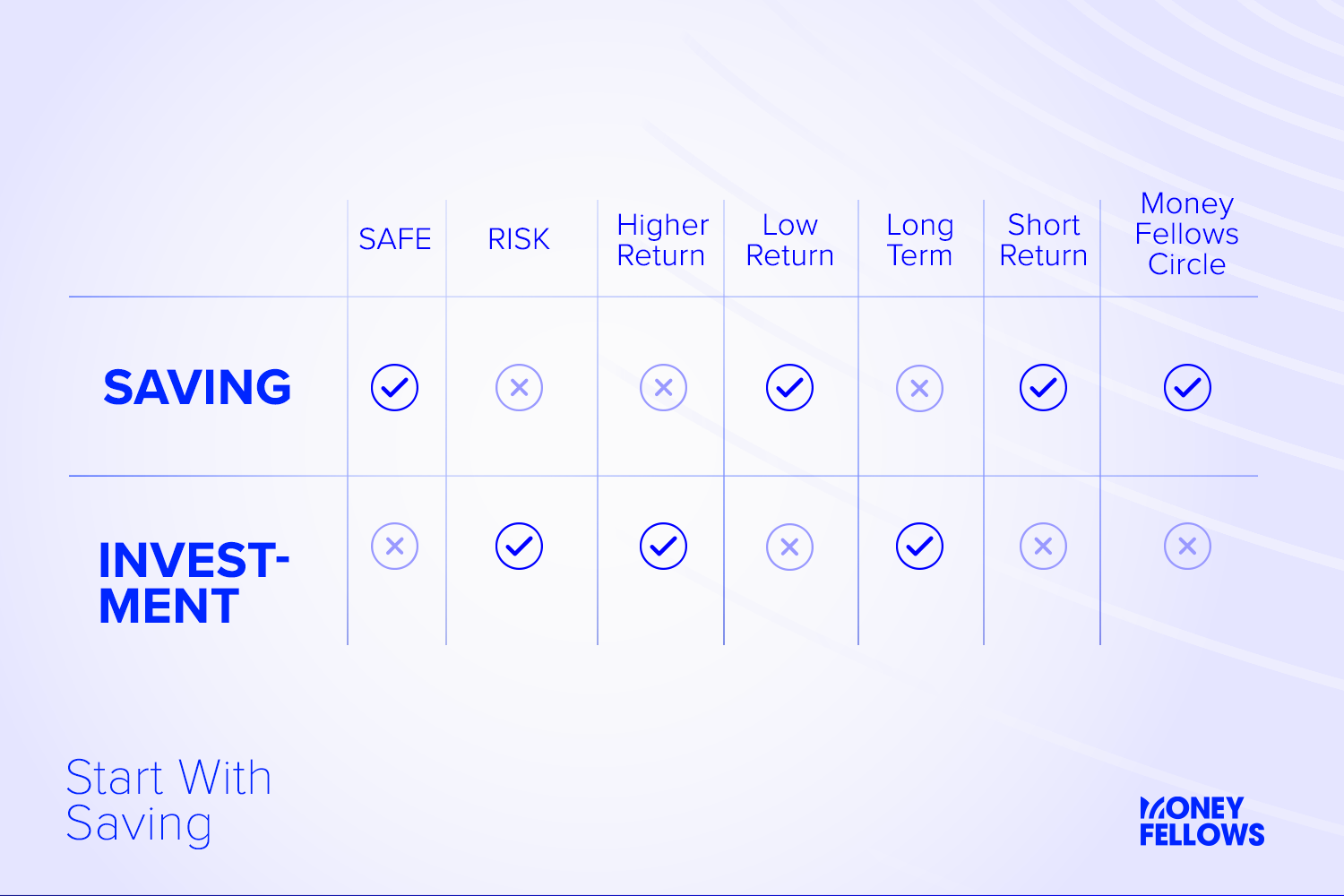
Saving means setting aside part of your income in a safe place for a near-term goal or emergency, with no risk to the original amount. Investing means putting your money into tools designed to grow in value over time, with a potentially higher return and a higher level of risk.
The difference between saving and investing isn't just a theoretical distinction, it determines how your money works for you. Many people make the mistake of doing one instead of the other, when in reality both are needed at different stages of the same financial journey.
What Is Saving? What Is Investing?
These two definitions are the most important things in this article, read them carefully:
Saving: Saving is the practice of regularly setting aside a portion of your income and keeping it in a safe, accessible place, such as a Money Fellows digital circle or a bank savings account, to achieve a near-term financial goal or prepare for an unexpected expense, while preserving the full original amount with no risk of loss.
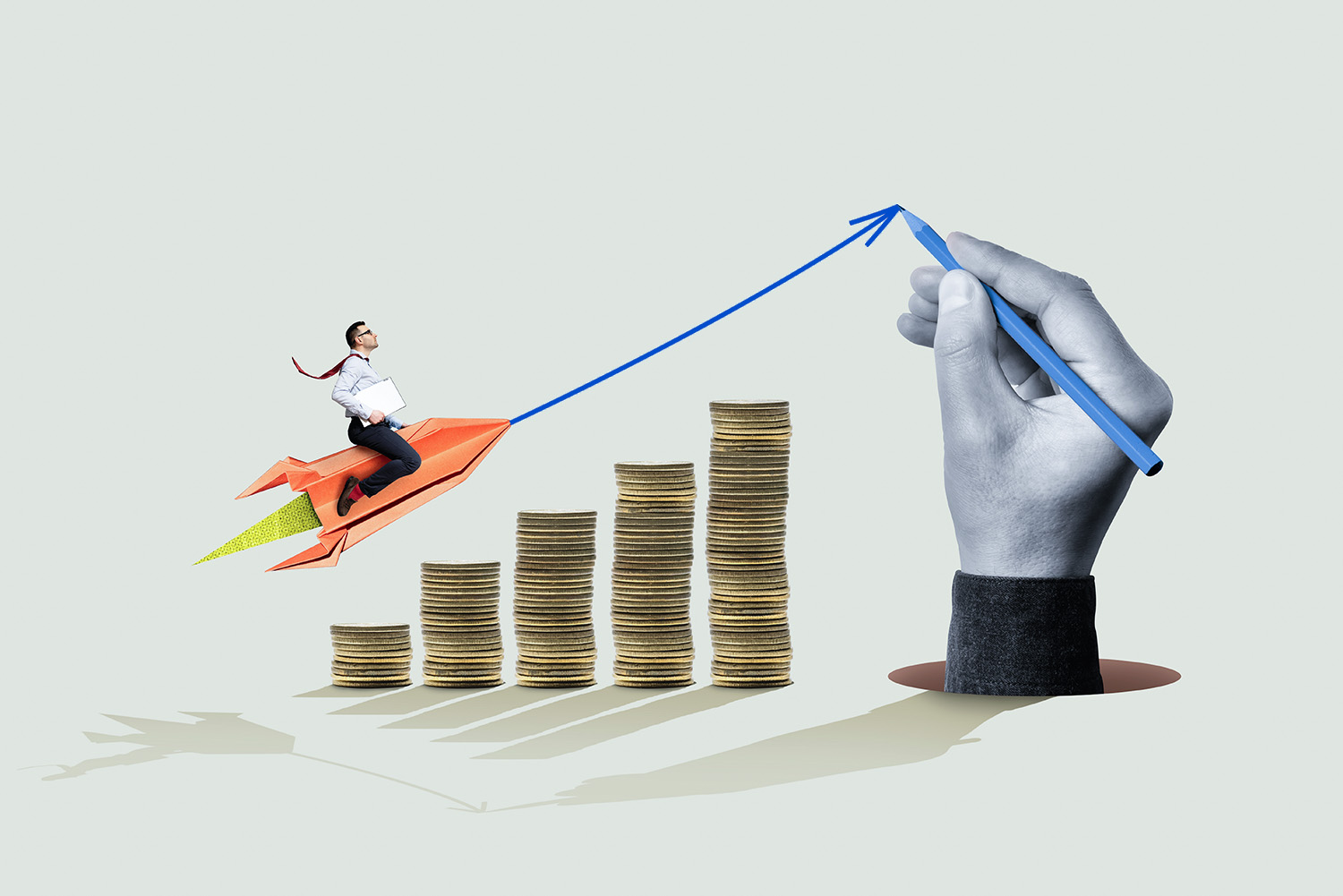
Investing: Investing is the practice of putting a portion of your money into financial instruments, such as stocks, investment funds, or real estate, with the goal of growing its value over time and generating a return above inflation, while accepting the possibility that the value may fluctuate or partially decline.
The core principle: saving protects your money, investing puts your money to work. They're not alternatives, one builds on the other.
The Main Differences Between Saving and Investing
| Criteria | Saving | Investing |
|---|---|---|
| Primary goal | Protect the amount and achieve a near-term goal | Grow the amount over the long term |
| Time horizon | Short term (months to 2 years) | Long term (3+ years) |
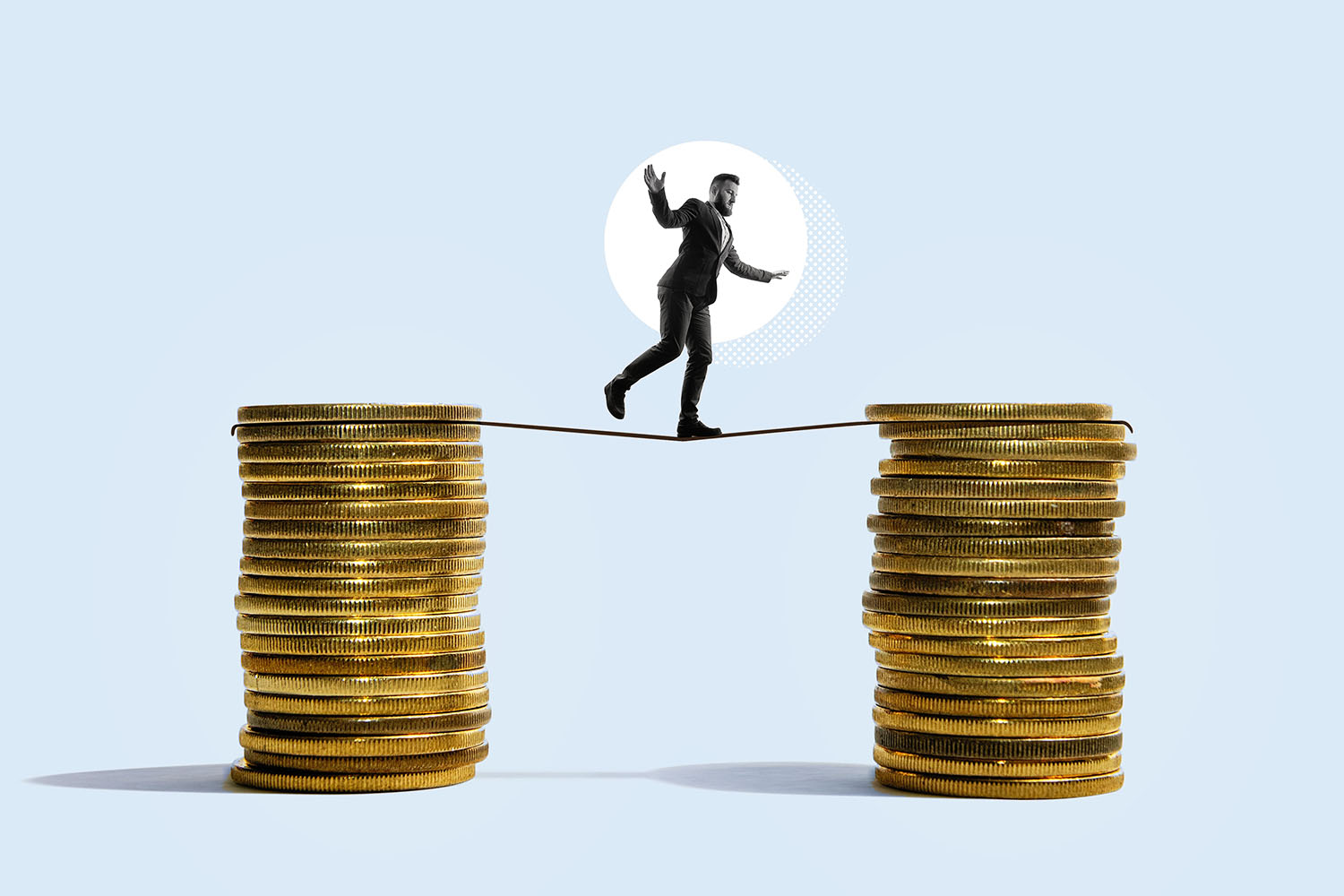
| Risk level | Very low or zero | Medium to high, depending on the instrument |
| Liquidity | High, easily accessible | Sometimes limited, depending on investment type |
| Expected return | Fixed and guaranteed, no surprises | Variable can grow or shrink |
| Common tools in Egypt | Money Fellows circle, bank accounts, gold | Stock market, investment funds, and real estate |
| Best suited for | Anyone, the foundation before investing | Those with a savings base are ready to take calculated risks |
When to Choose Saving
1. If you don't have an emergency fund yet: the first step before any investing is having the equivalent of 3–6 months of fixed expenses in a safe, accessible place. Without it, any unexpected expense could force you to sell investments at a loss.
2. If your goal is within two years or less: a wedding, a car, a trip, home appliances, any near-term goal with a fixed date shouldn't be exposed to market volatility. A digital circle is the ideal tool here, giving you a defined payout date with zero risk.
3. If you're carrying interest-bearing debt: pay off your debts first before thinking about investing. The return on almost any investment rarely exceeds the interest rate on debt, so a clean slate is always the smarter starting point.