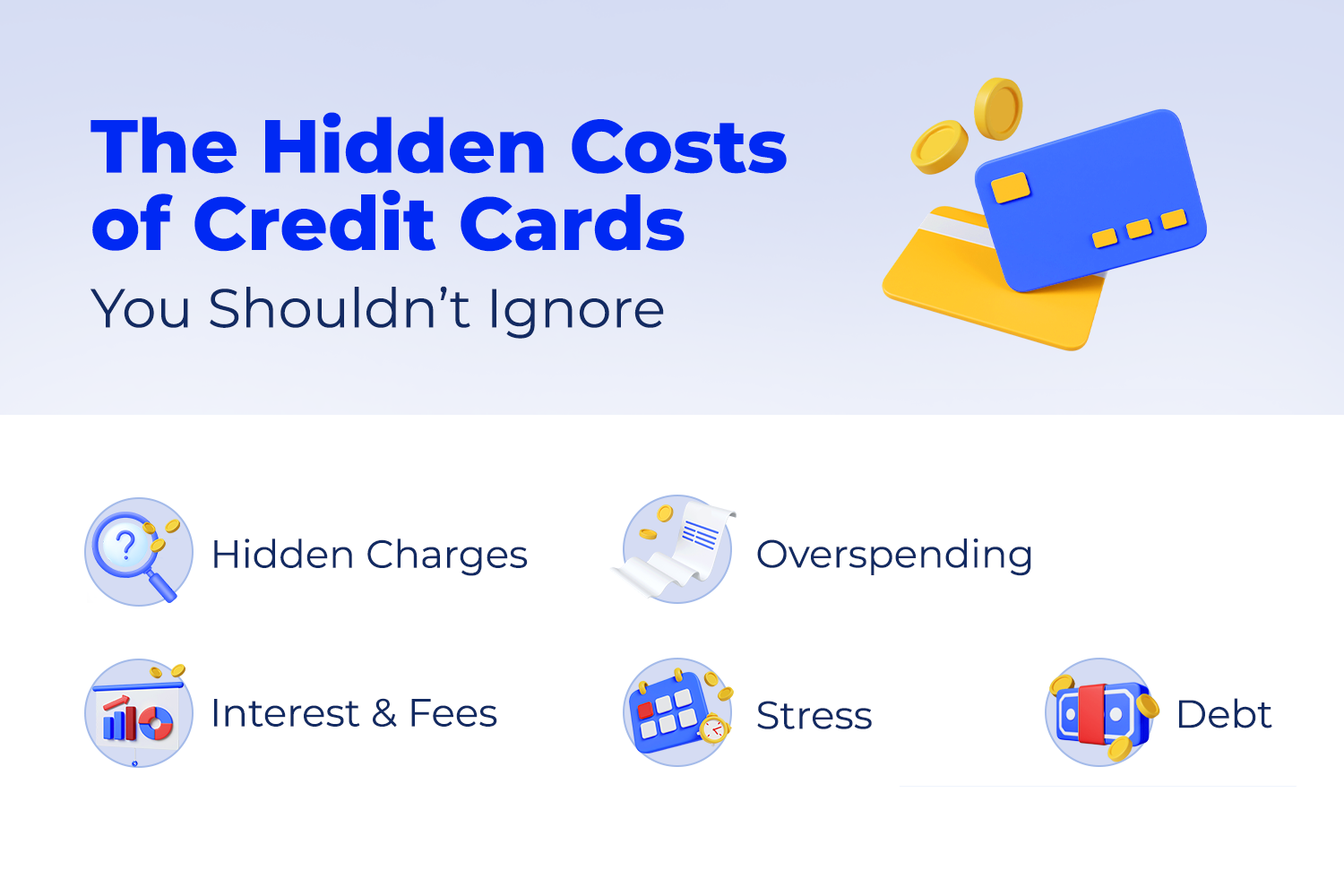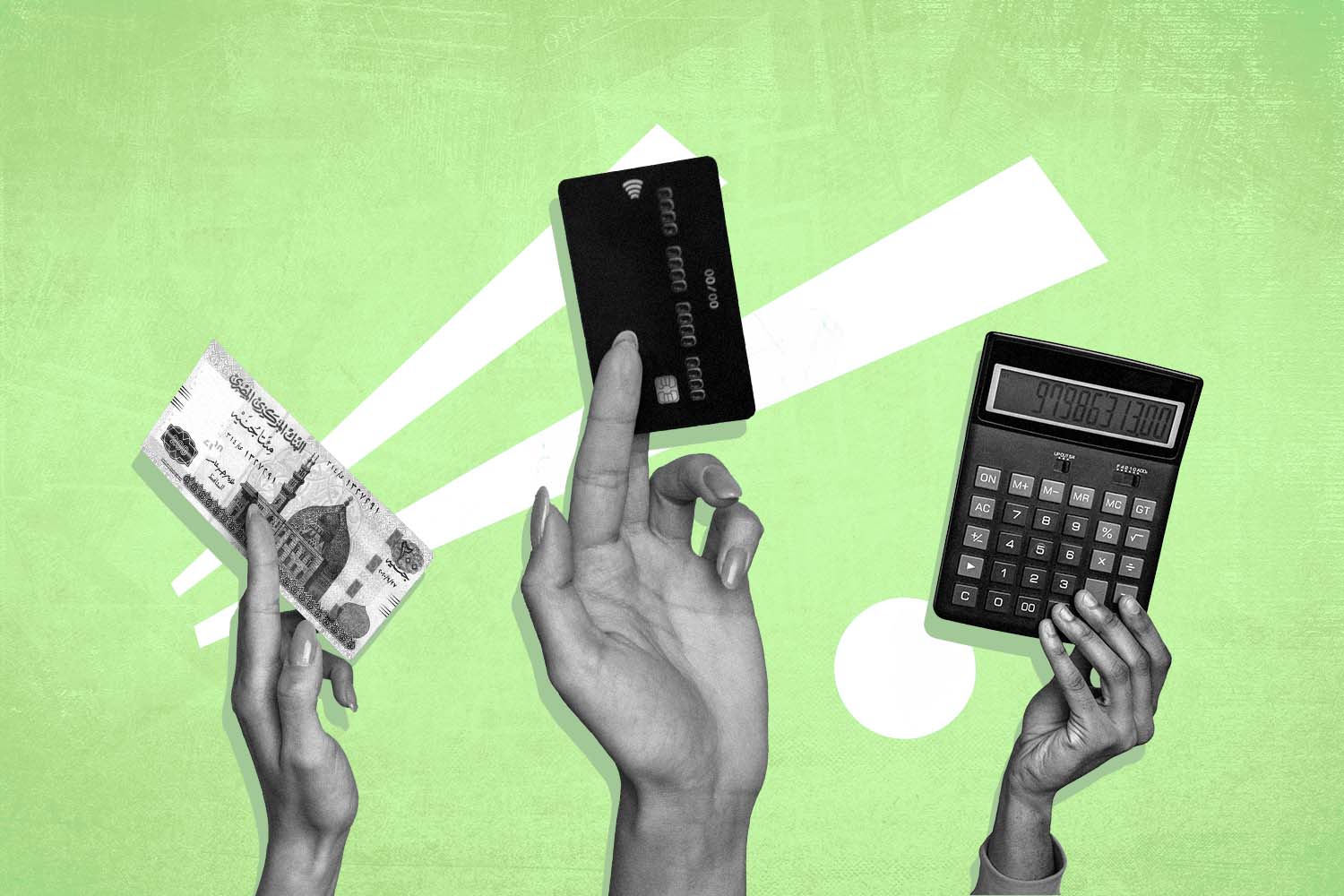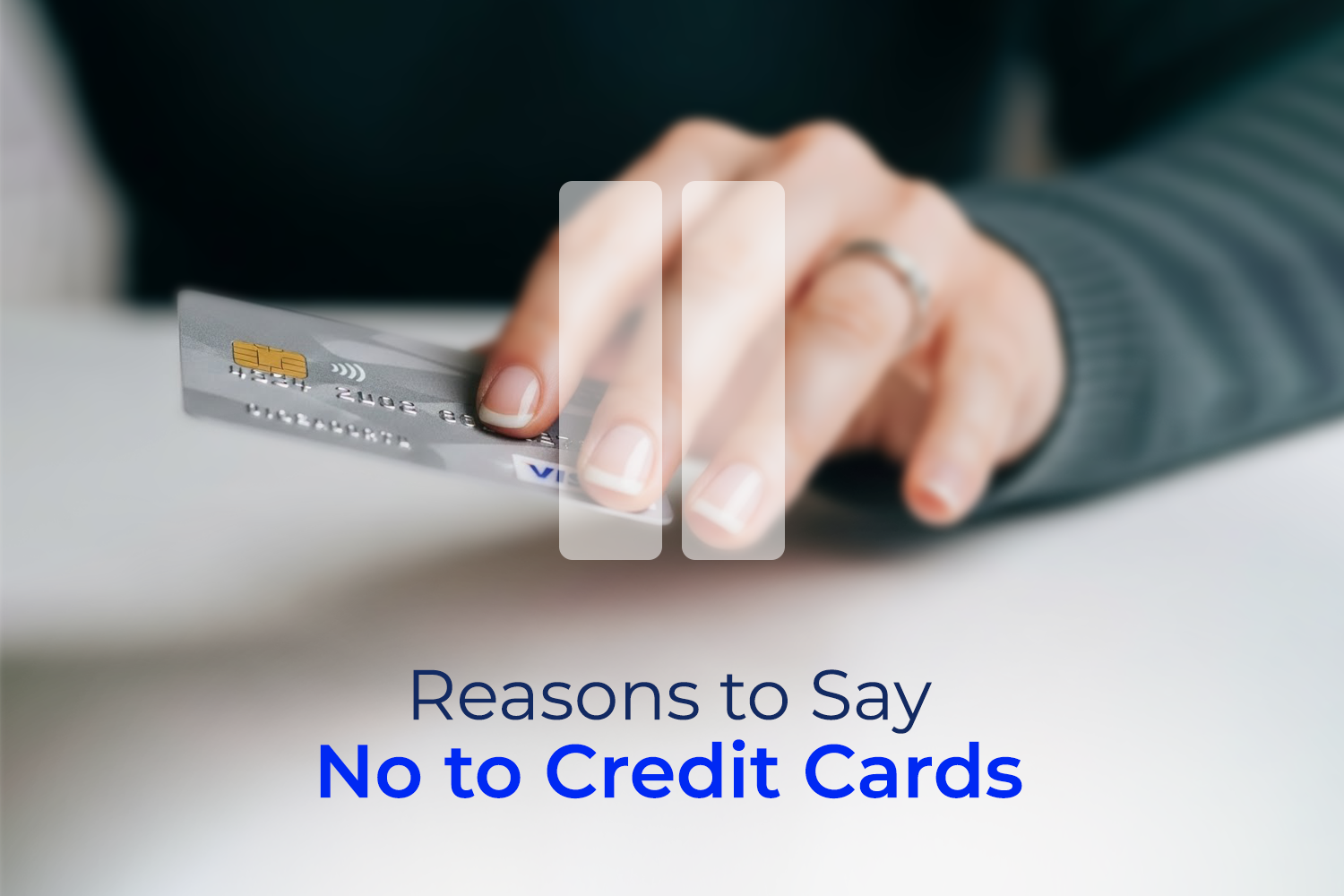
Credit cards can be a great solution for certain purchases if you have strong financial discipline and full control over your spending. But if you struggle with credit card debt, high interest rates, and late payment fees, it may be smarter to stop using credit cards until you get your finances back on track.
And because we know how hard it is to resist the convenience of credit cards, we’ve put together this list of reasons why relying on credit cards can hurt your financial stability, along with the benefits of cash payments and smart saving.
Financial Awareness Before Relying on Credit Cards
Before diving into the reasons to avoid credit cards, it’s important to understand that credit card use isn’t always bad. However, it requires financial awareness and strict repayment discipline.
Many people rely on credit cards for convenience and the ability to buy now and pay later. But without a clear plan, this habit can quickly turn into accumulated debt and high interest costs, putting serious pressure on your monthly budget.
Understanding the risks of credit cards, and the advantages of cash payments and smart financial planning helps you take control of your spending and make better purchase decisions.
7 Reasons to Say No to Credit Cards
1. Debt Accumulation
When you pay with cash or a with debit card, there’s no way to spend more than you have. With credit cards, however, some banks allow you to spend beyond your credit limit.
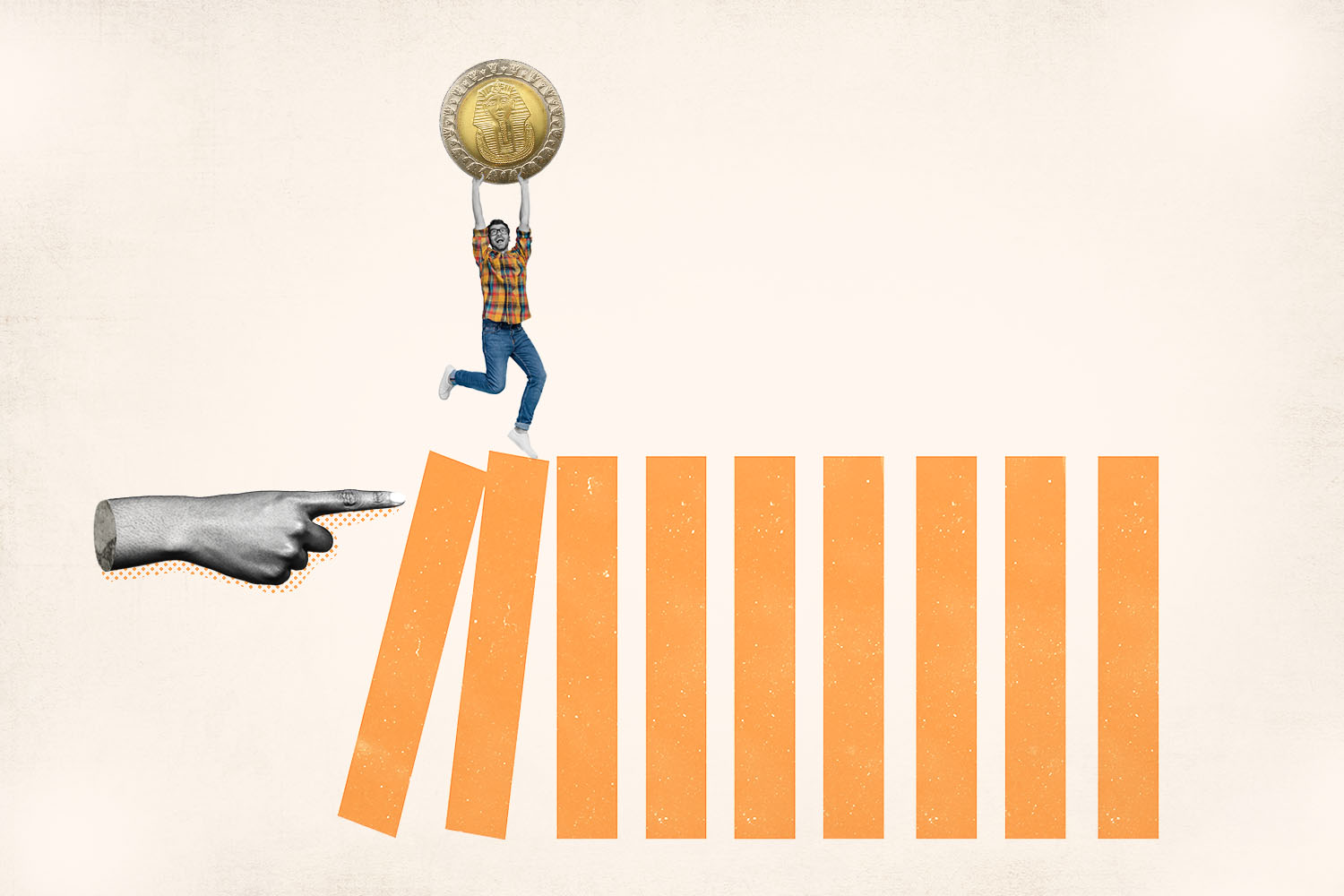
The result? High interest charges that make credit card debt harder to repay. And if you miss payments, whether you exceed your limit or not, debt can quickly snowball.
Using credit cards without a clear budget is one of the fastest ways to fall into debt. A realistic budget should reflect your income and expenses honestly, and that’s much easier to stick to when you pay with cash or a debit card.
2. High Interest Rates
If you don’t pay off your credit card balance in full every month, you’ll be charged interest on the remaining amount. In Egypt, average credit card interest rates range between 3% and 4% per month, which is a critical factor to consider before using a credit card for any purchase.
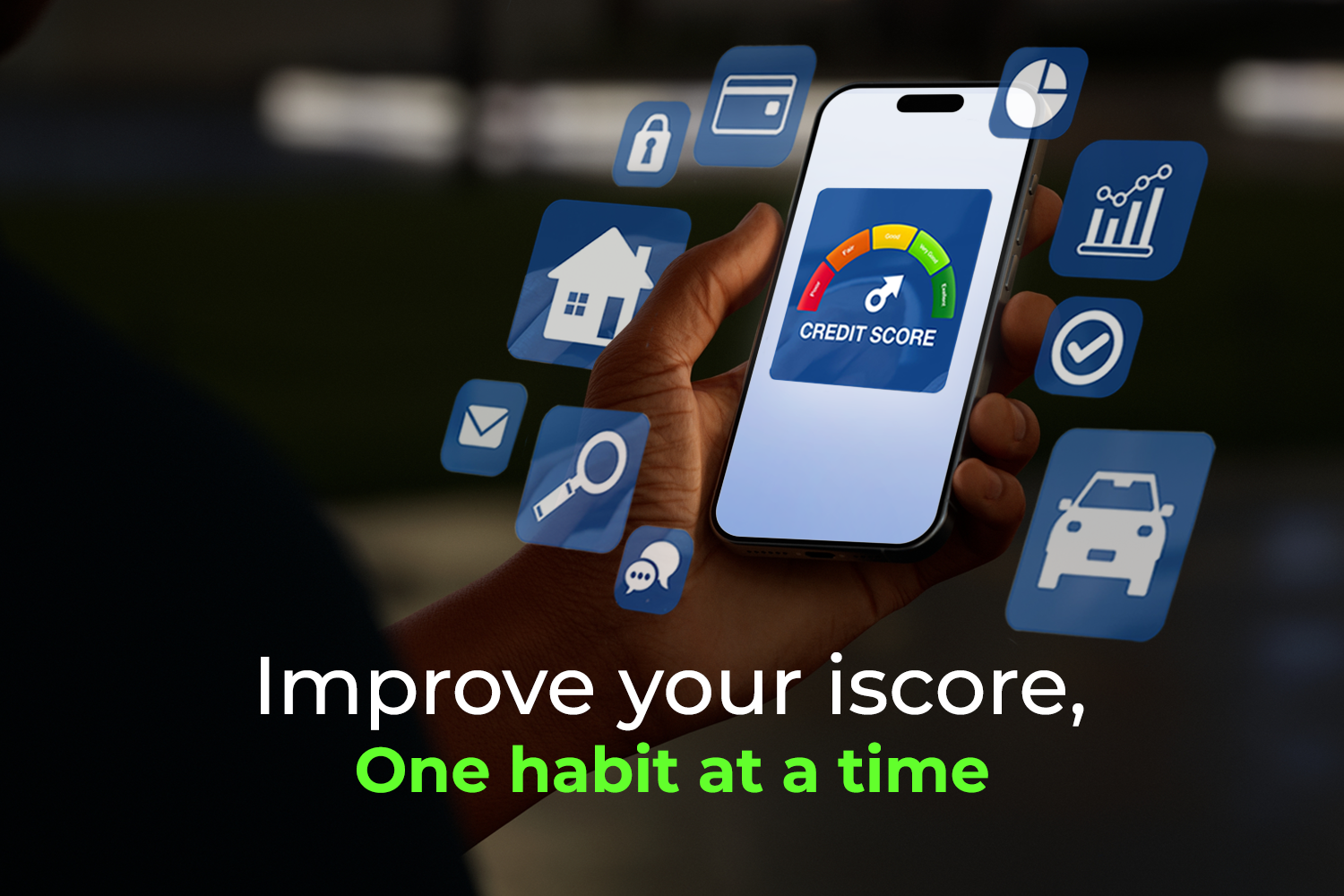
3. Negative Impact on Your I-Score
Responsible credit card use can help build your credit score, but the opposite is also true.
If you carry high balances month after month, miss payments, or max out multiple cards, your I-Score will drop. This matters more than you think:
- Car insurance companies may charge higher premiums.
- Banks will review your credit score before approving loans or mortgages
- A weak I-Score can limit your financial options for years.
Learn everything about your I-Score and how to improve it in this article
4. High Long-Term Cost
Unlike financial tools that help grow your money, such as high-yield savings accounts or savings certificates, credit cards can become very expensive over time.
In many cases, the minimum payment barely covers the monthly interest, meaning your original balance hardly goes down while you continue paying more interest.
5. Encourage Impulse Spending
People are usually more careful when spending cash; they work hard to save money. Credit cards, on the other hand, make spending feel effortless.
A quick tap, online checkout, or signature, and the purchase is done. This ease often leads to spending more than planned and buying things you never intended to purchase in the first place.